

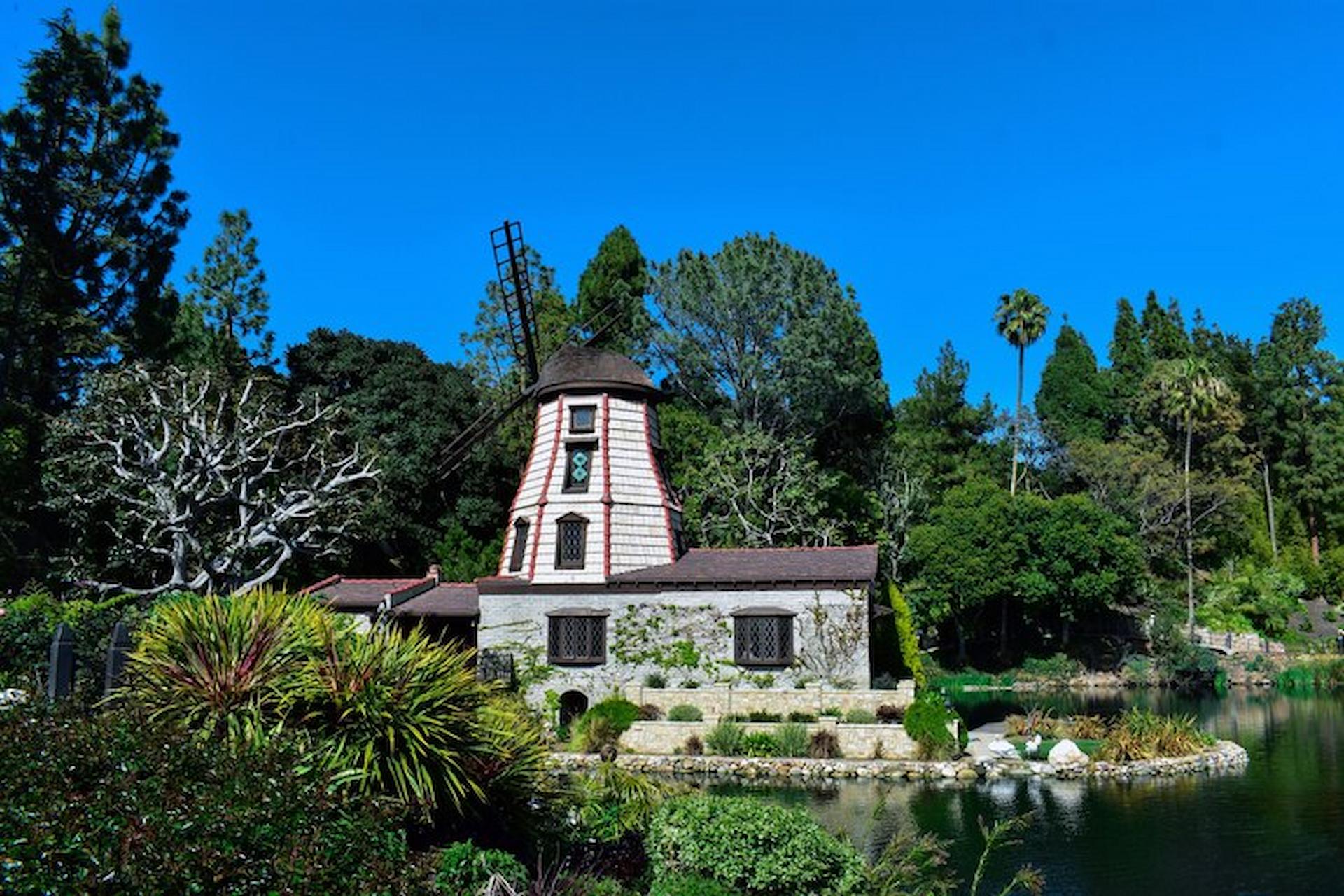
Modern landscapes are more than just spaces to look at – they are living, breathing systems that reflect the balance between human creativity and the natural world. In recent years, the demand for landscapes that are both functional and ecologically rich has grown rapidly. Architects, planners, and environmental specialists are now collaborating more closely than ever to create spaces that feel beautiful while also contributing to the health of the environment.
When we talk about strategic design in landscapes, we are talking about more than just aesthetics. It’s about the long-term planning of spaces so they work in harmony with local ecology. Whether it’s a public park, an urban development, or a rural regeneration project, the aim is to integrate biodiversity, sustainability, and human needs into one coherent vision.
The Shift Towards Ecological Awareness
In the past, landscaping often focused on decorative planting and hard surfaces. While visually appealing, these designs sometimes overlooked the needs of local ecosystems. Today, modern landscape planning considers the bigger picture – how a design will impact wildlife, water flow, soil health, and air quality.
This approach means that plant species are chosen not just for colour or texture, but for their ability to support pollinators, resist disease, and thrive in local conditions. Strategic planting schemes can help restore habitats, protect endangered species, and even improve the resilience of communities against climate change.
Strategic Design in Practice
Strategic landscape design begins with careful research. Planners analyse the site’s geography, soil type, climate, and existing biodiversity. They then develop a design that connects these natural features with the intended human use of the space.
For example, a city square might incorporate rain gardens to manage stormwater, native plant beds to attract pollinators, and shaded seating areas for comfort during hot summers. Rural developments might prioritise tree planting to prevent soil erosion, while also creating scenic walking routes that encourage outdoor activity.
For Landscape Planning Services, click here that combine vision with environmental responsibility, click here to explore how experts bring these ideas to life.
Blending Beauty and Biodiversity
One of the most exciting developments in landscape architecture is the understanding that beauty and biodiversity are not separate goals. A meadow of wildflowers is not only stunning in spring and summer; it also provides essential food for bees and butterflies. Green roofs and living walls make striking architectural statements while improving air quality and offering habitats for birds and insects.
Water features, too, can serve dual purposes. Beyond being attractive focal points, they can act as natural water filters, provide drinking sources for wildlife, and create a cooling effect in urban heat zones.
The Role of Planning in Modern Landscapes
No matter how creative a landscape design is, its success depends on thoughtful planning. Strategic planning ensures that a project not only looks good on completion but continues to thrive in the decades ahead. This means considering how plants will grow and change over time, how paths and open spaces will be used seasonally, and how the environment will adapt to climate shifts.
It also involves thinking about accessibility. The best modern landscapes are inclusive, offering spaces that people of all ages and abilities can enjoy. Pathways, seating, lighting, and signage all contribute to making a space welcoming and functional.
Ecology as a Guiding Principle
Ecology-led design requires more than just planting a few native species. It’s about creating self-sustaining environments where plants, animals, and people coexist. This can mean designing wildlife corridors that link habitats across urban areas, or introducing water systems that mimic natural streams and wetlands.
It also includes considering the invisible systems that make a landscape work – soil composition, underground drainage, root networks, and even the microorganisms that help plants grow. When these elements are designed strategically, the result is a landscape that works with nature rather than against it.
Urban Regeneration Through Green Design
Cities worldwide are discovering that integrating ecology into urban planning brings far-reaching benefits. Green spaces improve mental health, reduce noise pollution, and increase property values. They can also help mitigate flooding by absorbing rainwater and cooling streets during heatwaves.
Projects that prioritise both strategic design and ecology have transformed previously neglected spaces into thriving hubs of community life. Derelict industrial sites have been turned into vibrant parks, riverbanks have been restored to support wildlife, and urban courtyards have become lush, sheltered retreats.
Looking Towards the Future
As climate change challenges the way we design and live in our environments, the fusion of strategic design and ecology will only become more important. The future of landscaping lies in creating spaces that are adaptable, resilient, and deeply connected to the natural world.
Modern landscapes should not only respond to current needs but anticipate future ones. This means planning for water scarcity, supporting diverse plant and animal life, and designing spaces that encourage people to connect with nature daily.
By embracing both creativity and ecological responsibility, we can build landscapes that inspire, protect, and endure. This is the heart of the modern design ethos – a belief that beauty should not come at the expense of the environment, but work in partnership with it.
