

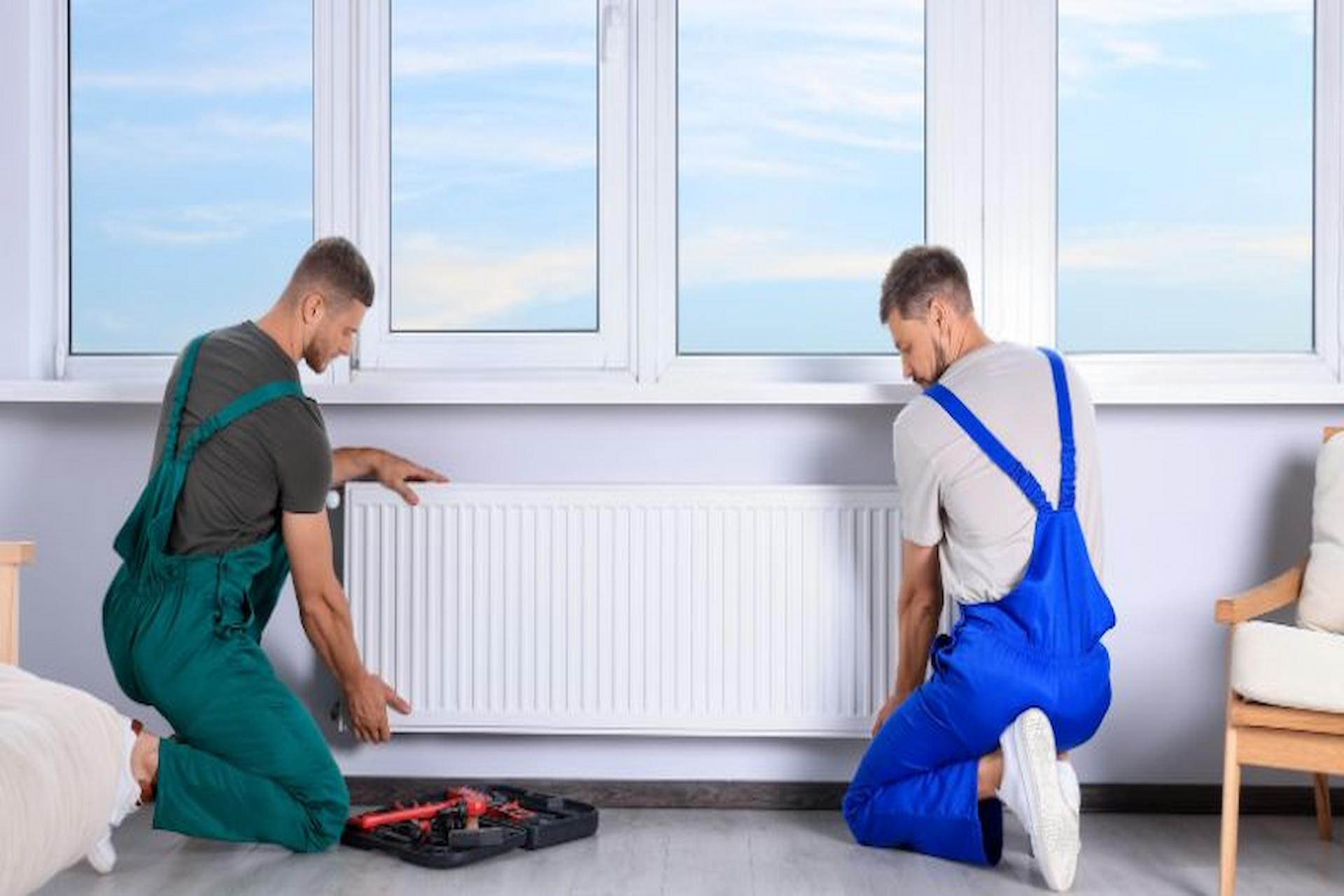
Electric radiators are becoming an increasingly popular choice for modern homes. They offer flexibility, energy efficiency, and a cleaner alternative to traditional heating systems that rely on pipework and boilers. Whether you are upgrading your current heating or fitting out a new space, understanding how installation works can make the process far less daunting.
For those exploring how to install an electric radiator, having a clear grasp of the basics ensures you approach the task with confidence. This guide walks through everything a beginner needs to know—from preparation to final checks—while highlighting important considerations along the way.
Why Choose Electric Radiators?
Before diving into installation, it helps to understand why electric radiators are gaining traction across UK households.
Unlike central heating systems, electric radiators operate independently. This means you can heat specific rooms without turning on the entire system. They are especially useful in extensions, loft conversions, or spaces where installing pipework would be impractical.
Another key advantage is energy control. Many modern electric radiators come with programmable thermostats, allowing you to manage heating schedules and reduce unnecessary energy use. This level of control can contribute to lower energy bills when used effectively.
Additionally, installation tends to be simpler compared to water-based systems, making them an appealing option for homeowners seeking a straightforward upgrade.
Understanding the Basics Before Installation
Electric radiators may appear simple, but a successful installation depends on proper planning.
First, you need to determine the correct size of radiator for your space. This depends on room dimensions, insulation levels, and window placement. Choosing an undersized unit can result in insufficient heating, while an oversized one may lead to wasted energy.
Next, consider the power supply. Most electric radiators require connection to a mains electricity source. Some models can be plugged into a standard socket, while others may need a hardwired connection. If hardwiring is required, a qualified electrician should handle the work to ensure compliance with safety regulations.
Positioning is another critical factor. Radiators are typically installed on external walls or beneath windows, where heat loss is greatest. Proper placement ensures efficient heat distribution throughout the room.
Tools and Materials You Will Need
Having the right tools at hand can make the process smoother and more efficient. While requirements may vary slightly depending on the radiator model, most installations involve the following:
- A drill and suitable drill bits
- Wall plugs and screws
- A spirit level
- Measuring tape
- Pencil for marking positions
- Mounting brackets (usually supplied with the radiator)
If your radiator requires hardwiring, additional electrical tools and expertise will be necessary. In such cases, professional assistance is strongly recommended.
Step-by-Step Installation Process
Measuring and Marking the Wall
Begin by identifying the ideal location for your radiator. Measure the height and width carefully, ensuring there is adequate clearance around the unit. Use a spirit level to mark straight lines where the brackets will be fixed.
Accurate marking at this stage prevents alignment issues later on.
Installing the Mounting Brackets
Drill holes at the marked points and insert wall plugs. Secure the brackets firmly using screws. The brackets must be level and tightly fixed, as they will support the full weight of the radiator.
Take your time with this step, as stability is essential for both safety and performance.
Mounting the Radiator
Once the brackets are in place, carefully lift the radiator and attach it according to the manufacturer’s instructions. Most models simply slot or hook onto the brackets.
Ensure the unit sits securely and does not wobble. A properly mounted radiator should feel stable and evenly balanced.
Connecting to the Power Supply
If your radiator is plug-in, connect it to a nearby socket. For hardwired models, this is where a qualified electrician becomes essential. Electrical connections must meet UK safety standards, and improper wiring can pose serious risks.
Once connected, switch on the power to check that the radiator is functioning correctly.
Safety Considerations You Should Not Ignore
Safety should always be a priority when working with electrical appliances.
Avoid installing radiators near water sources unless they are specifically rated for such environments. Bathrooms, for example, have strict regulations regarding electrical installations.
Ensure that cables are not exposed or placed in high-traffic areas where they could become damaged. If you are unsure about any aspect of the installation, it is always safer to consult a professional.
It is also important to follow the manufacturer’s guidelines closely. Each radiator model may have specific requirements that must be adhered to for safe operation.
Common Mistakes to Avoid
Even straightforward installations can go wrong without careful attention. Here are a few common pitfalls to watch out for:
Incorrect Positioning
Placing a radiator in the wrong location can reduce its efficiency. Avoid installing it behind furniture or in poorly ventilated areas where heat cannot circulate properly.
Ignoring Electrical Requirements
Attempting to handle electrical connections without proper knowledge can lead to hazards. Always involve a qualified electrician when necessary.
Choosing the Wrong Size
A radiator that does not match the room’s heating needs will struggle to perform effectively. Take time to calculate the correct output before making a purchase.
Poor Mounting
Loose or uneven brackets can cause instability. This not only affects performance but also increases the risk of accidents.
Maintaining Your Electric Radiator
Once installed, electric radiators require minimal maintenance compared to traditional systems. However, a few simple practices can help keep them running efficiently.
Regularly dust the surface to prevent build-up that may affect heat output. Check the thermostat settings periodically to ensure they align with your heating needs.
If your radiator has smart features, updating settings or schedules can further improve energy efficiency. Keeping an eye on performance over time allows you to spot any issues early.
When to Call a Professional
While many homeowners can handle basic installation, certain situations call for professional help.
If your radiator requires hardwiring, or if your home’s electrical system needs modification, it is best to involve a certified electrician. This ensures compliance with safety standards and reduces the risk of faults.
Similarly, if you are installing multiple radiators or integrating them into a broader heating plan, professional advice can help optimise performance across your home.
Final Thoughts
Installing an electric radiator is a practical and achievable project for many homeowners. With the right preparation, tools, and understanding, the process can be completed efficiently and safely.
From choosing the correct size to ensuring proper placement and electrical connections, each step plays a role in achieving effective heating. Taking the time to plan carefully not only simplifies installation but also ensures long-term performance.
As electric heating continues to evolve, these systems offer a flexible and modern solution for maintaining comfort throughout your home.
