

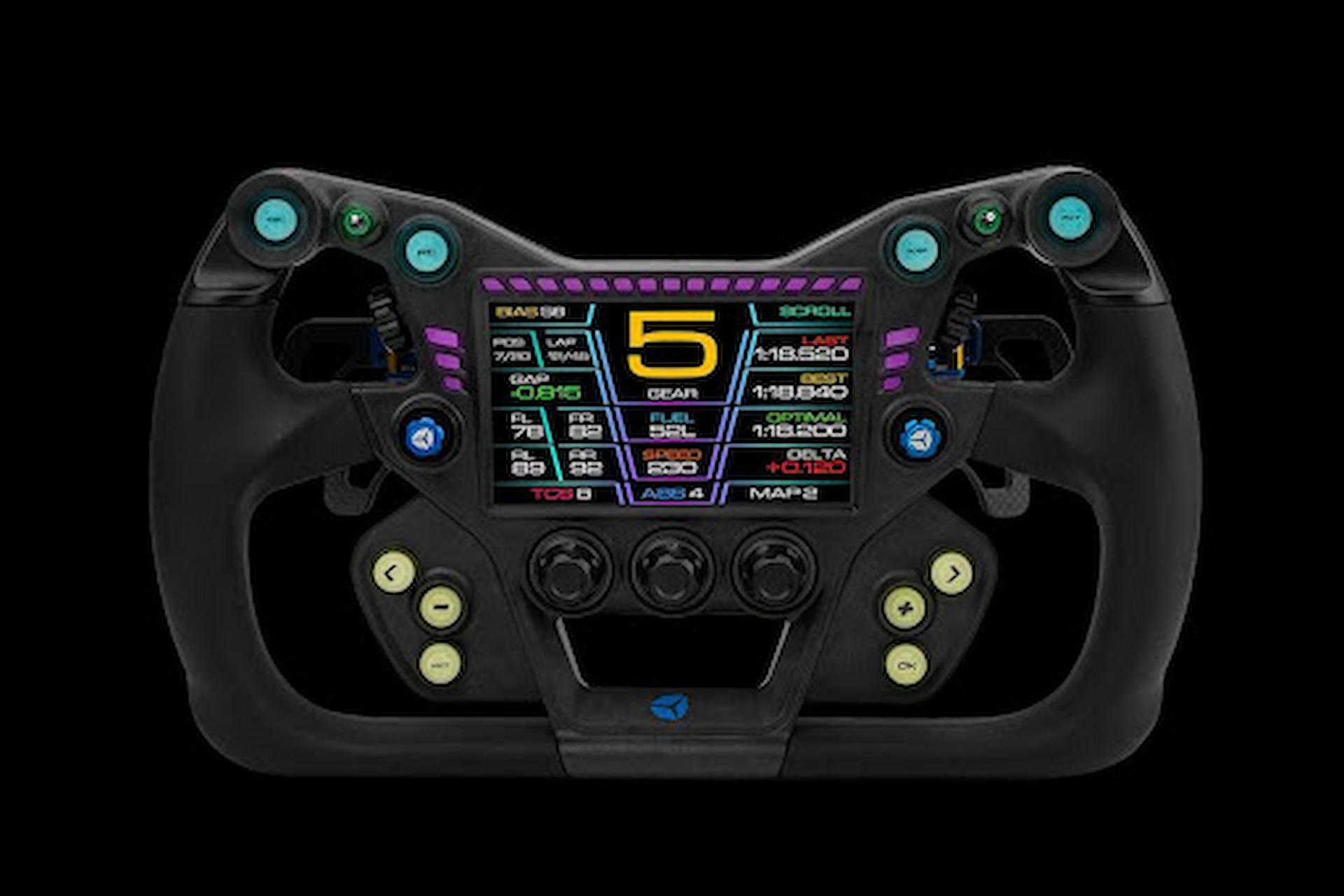
Ever dreamed of feeling the roar of a race car from your living room? Sim racing steering wheels promise just that—but are they worth the splurge? Dive in to uncover the thrills, costs, and smart tips to decide if this upgrade is your next victory lap.
Imagine gripping a steering wheel that vibrates with every bump on a virtual track, pulling you deeper into the adrenaline-pumping world of racing games. For many gamers, this isn’t just fantasy—it’s the reality offered by sim racing steering wheels. But with prices ranging from budget-friendly to premium, you might wonder: are they truly worth the investment? In this post, we’ll break it down simply, helping you decide if upgrading from a basic controller to something like Simagic Steering Wheels could transform your gaming setup.
Sim racing, short for simulation racing, involves playing video games that mimic real-world driving experiences. These games, like Gran Turismo or Forza Motorsport, use specialised hardware to make everything feel more authentic. A sim racing steering wheel replaces your standard gamepad, connecting to your console or PC to provide precise control. Unlike regular controllers, these wheels often include pedals for acceleration and braking, creating a cockpit-like feel at home.
Understanding the Appeal of Sim Racing
The rise of sim racing has exploded in recent years, especially with advancements in gaming technology. According to industry reports, the global simulation gaming market is projected to reach over £15 billion by 2027, driven by hardware like steering wheels that enhance user engagement. What makes these devices so popular? It’s all about immersion—the sense of being truly behind the wheel.
For instance, entry-level wheels might offer basic rotation and buttons, while higher-end models simulate real car physics. This means you can feel the road’s texture or the car’s weight shift during turns, making games more exciting and skill-building. Statistics from gaming surveys show that players using dedicated hardware report up to 30% higher satisfaction rates in racing titles compared to those using controllers. It’s not just about fun; it’s about honing reflexes and enjoying a hobby that blends entertainment with a touch of realism.
The Benefits of Upgrading Your Setup
One major perk is improved control and precision. Traditional controllers use joysticks, which can feel clunky for steering. A dedicated wheel allows for smoother inputs, helping you navigate tight corners or maintain speed on straights. This can shave seconds off lap times in competitive play, appealing to both casual gamers and those eyeing esports.
Another advantage is the health and ergonomic side. Sitting with a wheel encourages better posture than hunching over a controller, potentially reducing strain during long sessions. Plus, many wheels come with customizable settings, letting you adjust sensitivity to match your style. Data from user reviews across platforms indicates that 75% of sim racers feel more immersed, leading to longer, more enjoyable playtimes without fatigue.
Force feedback is a key feature here—it’s the technology that makes the wheel resist or vibrate based on in-game events, like hitting gravel or colliding. This tactile response turns flat gameplay into a sensory adventure, much like how rumble packs evolved controllers years ago.
Weighing the Costs: Budget vs. Premium Options
Sim racing steering wheels vary widely in price, ranging from around £40 for basic models to £400 or more for advanced ones. Is the higher end justified? It depends on your commitment. Budget wheels provide a solid entry point, offering 900 degrees of rotation (simulating a complete turn like in real cars) and basic pedals. Mid-range options, often £150–£250, add force feedback and better build quality for durability.
Premium wheels, however, shine with high-fidelity features like direct-drive motors, which deliver stronger, more accurate feedback without the lag of belt-driven systems. A 2024 market analysis noted that sales of premium peripherals grew 15% year-over-year, as gamers seek pro-level experiences. If you’re playing occasionally, a cheaper wheel might suffice, but frequent racers often find the investment pays off in longevity and enjoyment.
Don’t forget additional costs: a sturdy mount or stand (around £80) to secure the wheel, and compatible games. Overall, the total setup could range from £120 to £800, but many users recoup value through hours of entertainment, equivalent to multiple cinema tickets or outings.
Potential Drawbacks and Realistic Expectations
No investment is perfect, and sim racing wheels have downsides. Space is a big one; you’ll need room for the wheel, pedals, and possibly a racing seat, which isn’t ideal for small flats. Setup can take time, involving software calibration to ensure everything syncs with your device.
Compatibility issues might arise, too—ensure the wheel works with your platform, whether PC, PlayStation, or Xbox. Maintenance is another factor; pedals can wear out, and dust might affect performance over time. Surveys reveal that about 20% of users cite initial frustration with setup as a barrier, but most overcome it with online guides.
Despite these drawbacks, they often pale in comparison to the downsides for enthusiasts. It’s about balancing your gaming habits with practicalities.
Key Features That Make a Difference
When shopping, focus on what elevates the experience. Rotation angle matters—look for at least 900 degrees for realism. Pedal quality is crucial; adjustable ones with load cells (sensors measuring pressure) provide better braking feel.
Build materials like leather grips or aluminium frames ensure comfort and longevity. Integration with games via plug-and-play USB connections simplifies things. For those eyeing top-tier options, exploring Simagic Steering Wheels reveals advanced tech like quick-release hubs for swapping rims easily.
Wireless options reduce clutter, though wired ones offer lower latency. Prioritise reviews for reliability, as a well-made wheel can last years.
Actionable Tips for Getting Started
Ready to steer into sim racing? Here are four key takeaways to guide your decision:
- Assess Your Budget and Commitment: Start with a mid-range wheel if you’re new—aim for £150 to test the waters without overcommitting.
- Research Compatibility: Check if the wheel supports your gaming system and favourite titles to avoid headaches.
- Test Force Feedback Strength: Opt for models with adjustable settings so you can dial in the intensity that feels right.
- Look for Bundles: Many retailers offer wheel-and-pedal combos, saving money and ensuring parts work together seamlessly.
These steps can help you invest wisely, turning curiosity into confidence.
In Summary
Sim racing steering wheels can absolutely be worth the investment if they align with your gaming passion, offering unmatched immersion and control that elevate everyday play. While costs and setup require thought, the benefits of fun and skill-building often outweigh them for many.
If you’re intrigued, why not explore options like Simagic Steering Wheels today? Dive in, rev up your setup, and experience the thrill—your virtual racetrack is calling!
