

Introduction
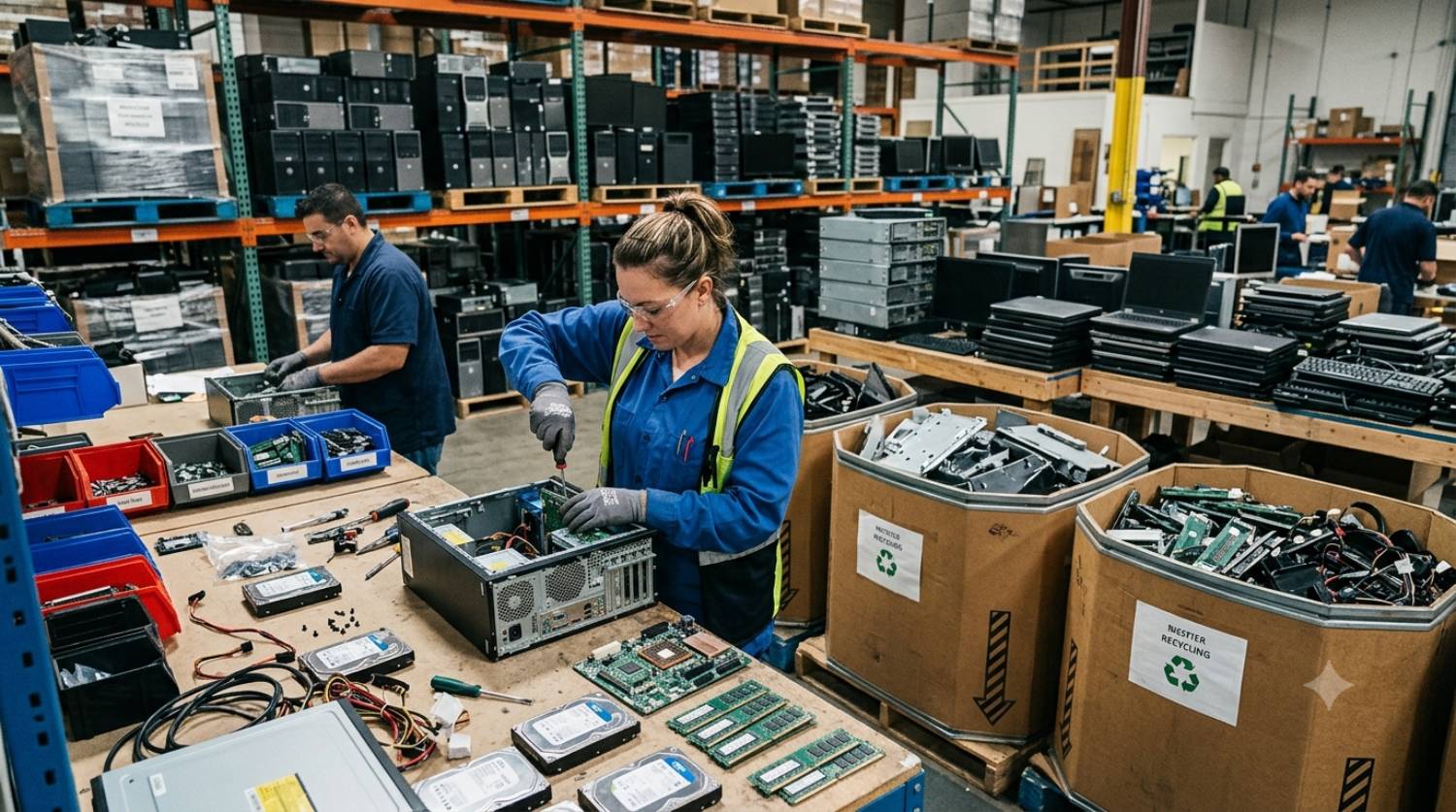
Electronic waste continues to grow as businesses replace computers, laptops, monitors, servers, and other IT equipment to keep pace with technological developments. While upgrading systems improves productivity and operational efficiency, managing redundant equipment responsibly is equally important. Disposing of outdated technology without a structured approach can increase landfill waste and result in the loss of valuable reusable materials. This is why business computer recycling has become an essential part of responsible IT management for modern organisations.
Professional recycling providers help businesses dispose of obsolete computer equipment safely while supporting sustainability objectives and reducing environmental impact. Companies such as Zero Tech Waste help organisations recycle technology responsibly, improving environmental performance while managing IT assets more efficiently.
Understanding the Challenge of Electronic Waste
Businesses regularly replace technology to improve security, efficiency, and performance.
Without appropriate recycling procedures, obsolete equipment can accumulate in storage or enter waste streams that fail to recover valuable materials.
Responsible business computer recycling helps organisations reduce unnecessary electronic waste by ensuring specialist recycling facilities process retired equipment.
This supports more sustainable technology management throughout the equipment lifecycle.
Recovering Valuable Materials
Many electronic devices contain components that remain valuable after equipment reaches the end of its operational life.
Professional recycling processes help recover materials that may be suitable for future manufacturing rather than allowing them to become waste.
Examples include:
- Metals
- Plastics
- Circuit board components
- Electrical materials
- Reusable raw resources
Recovering these materials helps reduce demand for new resources while supporting more sustainable manufacturing practices.
Supporting Responsible Environmental Management
Environmental responsibility has become an important consideration across all areas of business operations.
Business computer recycling contributes by:
- Reducing landfill waste
- Supporting material recovery
- Improving resource efficiency
- Encouraging sustainable disposal
- Lowering environmental impact
Integrating recycling into technology management helps organisations strengthen their wider sustainability commitments.
Improving IT Asset Management
Technology replacement programmes often generate significant volumes of redundant equipment.
Professional recycling providers simplify this process by offering structured collection and recycling services that help businesses maintain organised IT asset management.
Benefits include:
- Better inventory control
- Reduced storage requirements
- Simplified equipment removal
- Improved operational planning
- More efficient technology refreshes
Removing obsolete equipment allows organisations to manage technology more effectively.
Supporting Long-Term Sustainability Goals
Many organisations now include environmental performance within their broader business strategies.
Responsible computer recycling helps demonstrate commitment to sustainable operations while supporting corporate environmental objectives.
By recycling technology responsibly, businesses support a circular economy that recovers materials and reduces unnecessary waste.
Frequently Asked Questions (FAQs)
Why is electronic waste a growing concern?
Technology is replaced more frequently than ever, creating growing volumes of obsolete electronic equipment that require responsible recycling.
Can business computers be recycled?
Yes. Professional providers can typically recycle computers, laptops, servers, monitors, networking equipment, and many other IT assets.
Why should businesses recycle computers?
Professional recycling supports sustainability, reduces landfill waste, and helps recover valuable materials from retired equipment.
Does computer recycling improve operational efficiency?
Yes. Removing obsolete equipment helps free storage space and supports more organised asset management.
How does recycling support environmental responsibility?
Responsible recycling reduces waste, improves resource recovery, and contributes to more sustainable business practices.
Conclusion
Business computer recycling plays an important role in reducing electronic waste while supporting responsible technology management. Through structured recycling programmes, organisations can recover valuable materials, improve environmental performance, and strengthen long-term sustainability initiatives.
Working with experienced providers such as Zero Tech Waste enables businesses to recycle obsolete computer equipment responsibly, support efficient IT lifecycle management, and reduce environmental impact.
