

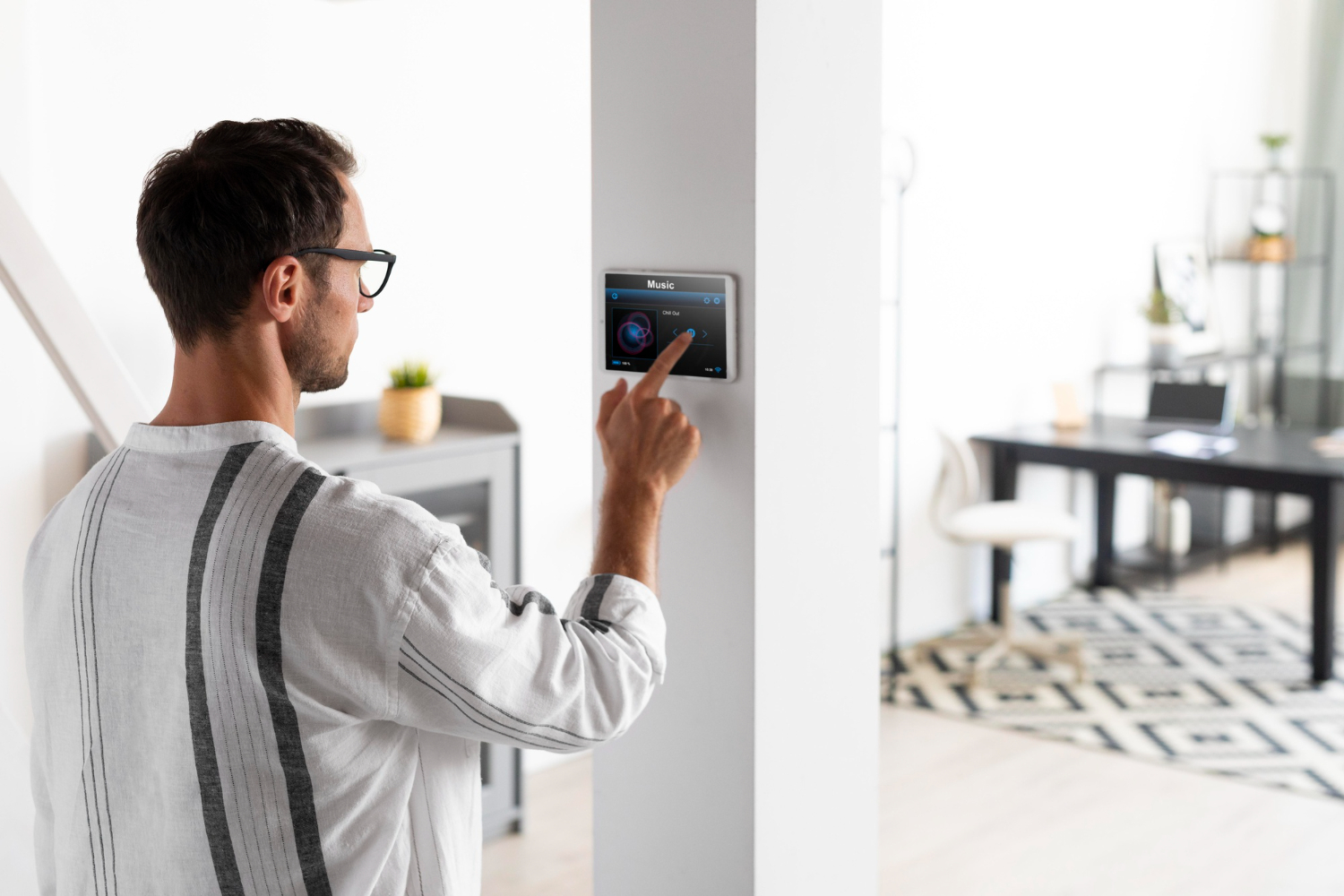
Your thermostat plays an important role in maintaining a comfortable indoor temperature and controlling heating and cooling costs. However, older thermostats may lack the flexibility needed to manage changing household schedules and seasonal temperature demands. If you regularly adjust the settings manually or experience inconsistent indoor comfort, your thermostat might be due for an upgrade.
Smart thermostats offer greater control through programmable schedules, remote access and automated temperature adjustments. Unlike basic models, many smart devices allow homeowners to manage their HVAC systems using a smartphone. Considering Wi-Fi thermostat installation in Viera, FL can be a practical step towards improving temperature management, convenience and overall energy efficiency.
Signs Your Thermostat May Be Outdated
An older thermostat is not necessarily defective, but limited functionality can make temperature management less convenient. Basic manual models require frequent adjustments, while ageing components may occasionally produce inaccurate readings or unreliable responses. If your heating or cooling system operates unexpectedly, the thermostat could be one possible cause.
Before investing in a replacement, have a qualified HVAC technician check whether the problem involves the thermostat, wiring or another system component. Homeowners exploring Wi-Fi thermostat installation in Viera, FL should also assess whether their existing equipment supports smart controls. A professional compatibility check can help prevent installation problems and unnecessary expenditure.
How Smart Thermostats Improve Temperature Control
Smart thermostats provide more flexibility than conventional manual controls. Many models allow users to create heating and cooling schedules that reflect their daily routines. Some devices can also learn household preferences or respond to occupancy patterns, reducing the need for repeated manual adjustments throughout the day.
For example, homeowners can select comfortable temperatures during occupied hours and less demanding settings while the property is empty. Certain models also offer room sensors to improve temperature monitoring in different areas. However, these features vary between manufacturers, making it important to compare available functions before purchasing.
Key Benefits of Upgrading to a Smart Thermostat
Improved Energy Management
One advantage of a smart thermostat is its ability to support more efficient heating and cooling habits. Scheduling features can reduce unnecessary system operation when occupants are away or asleep. Some models provide energy reports that help homeowners understand usage patterns and identify opportunities for adjustment.
Nevertheless, installing a smart thermostat does not automatically guarantee lower electricity bills. Actual savings depend on household routines, equipment efficiency, climate conditions and temperature settings. Homeowners who already manage their existing thermostats carefully may experience smaller improvements than those who frequently leave systems running unnecessarily.
Convenient Remote Access
Wi-Fi connectivity allows many smart thermostats to be controlled through dedicated smartphone applications. This means homeowners can adjust indoor temperatures while travelling, working or returning home. Remote access can be particularly helpful when schedules change unexpectedly or when managing an occasionally occupied property.
Some models also support voice assistants and broader smart home systems. Compatibility varies, however, and certain functions may require additional equipment or specific internet services. Before choosing a device, check its supported platforms, connectivity requirements and available security features to ensure it meets your household needs.
Can a Smart Thermostat Improve Home Comfort?
Smart thermostats can maintain more predictable indoor temperatures by following programmed settings and responding to changing conditions. Models with advanced controls may also provide maintenance reminders, operating alerts or humidity information. These features can help homeowners monitor their HVAC systems more conveniently.
However, a thermostat cannot correct every comfort problem. Blocked vents, insufficient insulation, poorly balanced airflow and incorrectly sized equipment can still cause uneven temperatures. If particular rooms remain uncomfortable, a professional HVAC assessment may be necessary alongside any thermostat upgrade.
What to Consider Before Installation
HVAC Compatibility and Wiring Requirements
Not every smart thermostat works with every heating and cooling system. Compatibility depends on factors such as equipment type, operating stages, control voltage and existing wiring. Some devices require a common wire, often called a C-wire, to provide continuous power.
Professional installation can help ensure the thermostat communicates correctly with the HVAC equipment. An experienced technician can inspect the wiring, confirm compatibility and configure the necessary settings. This is especially important for heat pumps, multi-stage systems and equipment using proprietary controls.
Initial Costs and Long-Term Value
Smart thermostats generally cost more upfront than basic manual models. The total expense depends on device features, wiring requirements and installation complexity. Premium models may include advanced automation, additional sensors or detailed energy monitoring, but these functions are not essential for every household.
Compare products according to the features you will regularly use rather than selecting the most expensive option. Consider ease of operation, manufacturer support, connectivity and compatibility with your existing equipment. A straightforward programmable thermostat may remain suitable for households that do not need remote control or advanced automation.
Conclusion
Upgrading an outdated thermostat can improve how you manage indoor comfort and HVAC operation. Smart models offer useful features such as flexible scheduling, remote temperature adjustments and energy monitoring. Their effectiveness, however, depends on proper installation, compatible equipment and sensible everyday settings.
Before purchasing, assess your current thermostat’s limitations and identify the functions that would genuinely benefit your household. Consulting a qualified HVAC professional can help you select a compatible device and determine whether a smart upgrade offers worthwhile long-term value.
