

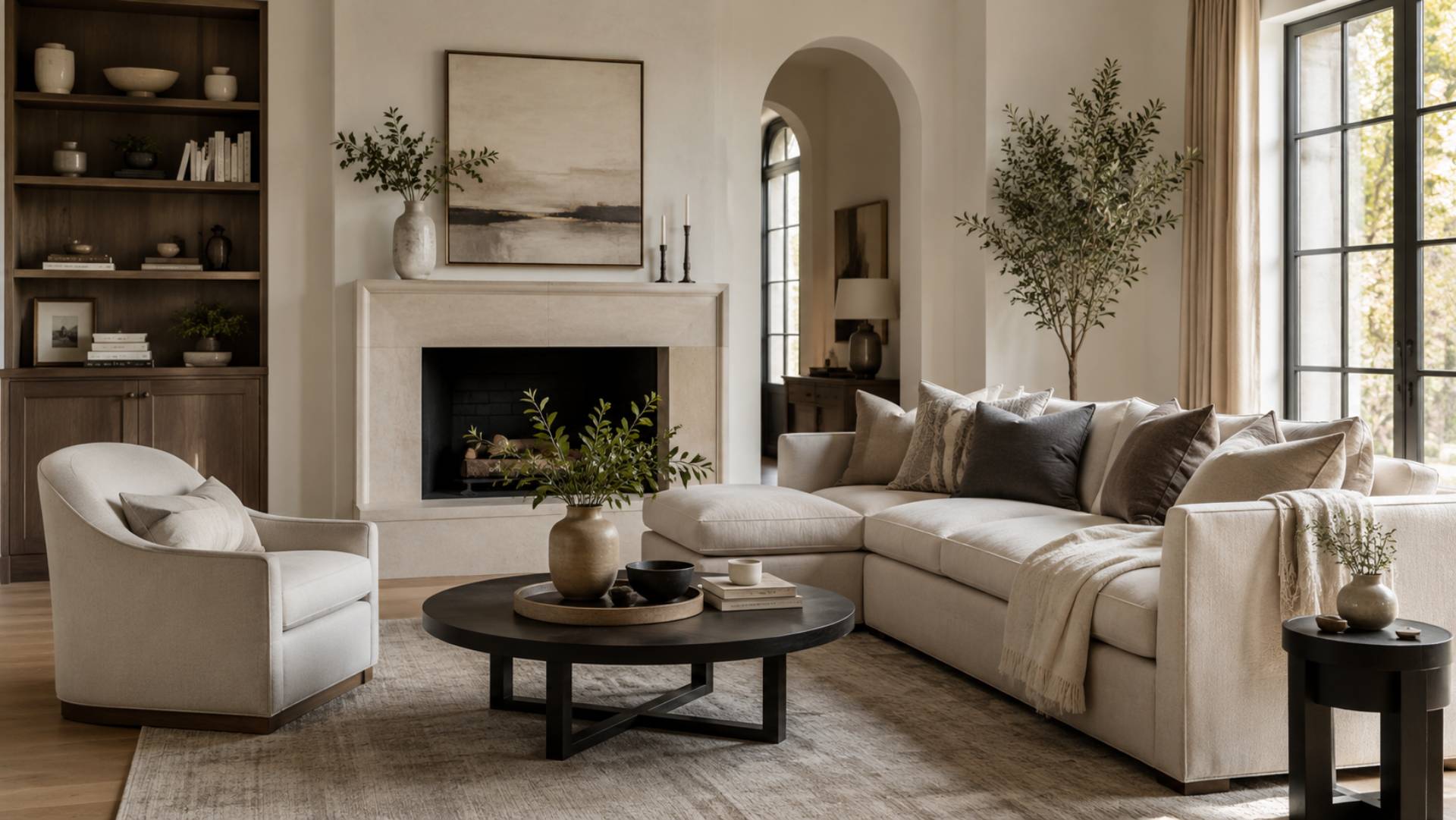
Elegant living is not about filling a home with expensive furniture, designer labels, or the latest décor trends. True elegance comes from making thoughtful choices that create a space that feels calm, polished, comfortable, and personal.
A timeless home does not need constant updates to stay beautiful. Instead, it relies on classic furniture, balanced colour schemes, quality materials, refined textures, thoughtful lighting, and carefully selected décor. These elements work together to create interiors that feel sophisticated without becoming formal or impractical.
The best part is that elegant living can work in almost any home. Whether you live in a compact apartment or a spacious house, the principles remain the same: choose well, avoid unnecessary clutter, and create a home that supports the way you actually live.
What Does Elegant Living Really Mean?
Elegant living is the art of combining beauty with comfort and function. It focuses on how a space feels rather than how much it costs.
A beautifully designed room should feel inviting, not like a showroom. Furniture should be attractive but comfortable. Décor should add personality without overwhelming the room. Materials should look good while also standing up to everyday use.
This approach makes home interior design more intentional. Instead of buying something simply because it is fashionable, ask whether it will still look appealing several years from now.
That simple question can prevent unnecessary spending and help create a more cohesive home.
Start With Classic Furniture Shapes
Furniture has a major influence on the character of a room. When aiming for timeless interiors, choose pieces with clean, balanced proportions rather than highly unusual shapes that may quickly feel dated.
Classic sofas, wooden tables, upholstered chairs, simple bed frames, and well-designed storage pieces can provide a strong foundation.
Consider these principles when selecting furniture:
- Choose comfortable pieces with balanced proportions.
- Look for clean lines and simple silhouettes.
- Prioritise durable construction over decorative details.
- Select furniture that works with several décor styles.
- Avoid buying large pieces simply because they are trendy.
A timeless sofa, for example, can be refreshed over the years with new cushions, throws, or an occasional change of artwork.
Use a Balanced Colour Palette
Colour can instantly change the mood of an interior. Elegant homes often use a restrained colour palette that creates visual harmony.
Neutral shades such as cream, beige, warm white, taupe, soft grey, and natural brown provide a versatile foundation. They do not have to make a room boring. Texture, lighting, furniture shapes, and carefully chosen accent colours can add plenty of character.
For a balanced colour scheme, try the 60-30-10 approach:
- 60%: Dominant background colour such as walls or large furniture
- 30%: Secondary colour through upholstery, curtains, or rugs
- 10%: Accent colour in artwork, cushions, accessories, or smaller pieces
The exact percentages do not need to be perfect. The principle is simply to create balance rather than allowing too many competing colours into one space.
Let Quality Materials Add Character
Quality does not always mean expensive. It means choosing materials that look good, feel pleasant, and perform well over time.
Natural wood, cotton, linen, wool, stone, ceramic, glass, and metal can bring depth to an interior. Even when used in small amounts, these materials can make a room feel more considered.
For example, a simple wooden coffee table can add warmth to a modern living room. Linen curtains can soften strong architectural lines. A wool rug can introduce comfort while creating visual definition.
When choosing materials, think about both appearance and everyday practicality. A beautiful material that is difficult to maintain may not be the best choice for a busy household.
Make Statement Lighting a Design Feature
Lighting is one of the easiest ways to make an interior feel more sophisticated.
A well-chosen pendant light, chandelier, floor lamp, or sculptural table lamp can become a focal point without requiring major changes to the room.
However, elegant lighting is not only about one impressive fixture. Good interiors usually combine several layers of light:
- Ambient lighting provides overall illumination.
- Task lighting supports activities such as reading or cooking.
- Accent lighting highlights artwork, architectural details, or decorative objects.
Warm, comfortable lighting can make materials and colours feel richer while creating a more welcoming atmosphere.
Use Texture Instead of Excess Decoration
One of the easiest ways to create sophisticated interiors is through texture.
A room can feel luxurious without being crowded when different surfaces and fabrics work together. Combine smooth, soft, rough, matte, and reflective finishes to create visual interest.
You might pair:
- Linen curtains with wooden furniture
- A textured rug with a smooth coffee table
- Soft upholstery with ceramic accessories
- Woven baskets with polished surfaces
- Velvet cushions with natural cotton fabrics
This creates depth without relying on large amounts of decoration.
Curate Décor With Intention
Elegant décor is usually selected rather than accumulated.
Instead of placing accessories on every available surface, choose a smaller number of objects that have visual or personal value. Artwork, books, ceramics, mirrors, plants, photographs, and handcrafted pieces can all contribute to the personality of a home.
Before adding an accessory, consider:
Does it serve a purpose, tell a story, or improve the room visually?
If the answer is no, the space may be better without it.
This does not mean your home needs to be extremely minimalist. It simply means that every visible item should have a reason for being there.
Keep Clutter Under Control
A beautiful room can quickly lose its elegance when everyday objects have no designated place.
Thoughtful space planning makes a major difference. Storage should be practical, accessible, and integrated into the overall design wherever possible.
Use:
- Built-in cabinets where appropriate
- Closed storage for everyday clutter
- Baskets for frequently used items
- Storage benches in compact spaces
- Bedside drawers instead of open piles
- Organised kitchen cabinets and drawers
Good storage is a form of practical luxury because it makes daily routines easier while keeping the home visually calm.
Create an Elegant Living Room
The living room often sets the tone for the rest of the home. Start with a comfortable sofa and build around it rather than purchasing multiple pieces at once.
A simple combination of a sofa, occasional chairs, coffee table, rug, lighting, and selected artwork can create a polished space.
Pay attention to furniture placement. Pieces should encourage conversation while leaving enough space to move comfortably.
A rug can help define the seating area, while curtains can soften the room and make windows feel more substantial.
Bring Timeless Style Into the Bedroom
A bedroom should feel restful rather than overly decorated.
Choose a comfortable bed, quality bedding, soft lighting, and a limited colour palette. Natural fabrics can add comfort and create a relaxed atmosphere.
Keep bedside surfaces relatively clear. A lamp, book, small decorative object, or plant may be enough.
The goal is to create a space that feels peaceful at the end of the day. In this room, elegance comes from restraint and comfort.
Design a Kitchen for Beauty and Function
A timeless kitchen needs to work efficiently every day.
When considering a modular kitchen, focus on practical storage, durable surfaces, good lighting, and a layout that supports cooking and movement. Classic cabinet styles and neutral finishes can remain attractive even as smaller décor trends change.
You can introduce personality through easily replaceable elements such as:
- Pendant lights
- Cabinet handles
- Bar stools
- Small appliances
- Artwork
- Kitchen textiles
This makes it easier to update the room without replacing expensive components.
Affordable Elegance Is Possible
Elegant interiors do not require an unlimited budget. In fact, thoughtful design can often look more sophisticated than expensive but poorly coordinated décor.
If your budget is limited, prioritise the elements that have the biggest visual impact.
Spend More Carefully On
- A comfortable sofa or bed
- A durable dining table
- Quality lighting
- A well-made rug
- Frequently used furniture
Save On
- Small decorative accessories
- Seasonal cushions
- Trend-driven items
- Temporary décor
- Easily replaceable accents
You can also improve an existing room through rearrangement, decluttering, better lighting, fresh textiles, and carefully selected artwork.
Sometimes the most effective design upgrade costs very little.
Avoid Chasing Every Interior Trend
Interior trends can be inspiring, but following every trend can make a home feel inconsistent.
Instead, use trends as accents. If you love a particular colour, pattern, or decorative style, introduce it through smaller and easily replaceable items.
Keep larger investments relatively timeless.
This approach gives you freedom to experiment without repeatedly redesigning your entire home.
Add Practical Luxury to Everyday Life
Luxury is not always about expensive objects. It can be about making ordinary routines more enjoyable.
A comfortable reading chair near a window, soft bedside lighting, a well-organised entryway, quality towels, a pleasant dining area, or a thoughtfully designed coffee station can all improve everyday living.
These small decisions make a home feel special because they respond to real needs.
The most successful modern home décor combines visual appeal with practical comfort.
Make Your Home Feel Personal
Timeless design should never mean personality-free design.
Family photographs, travel memories, books, artwork, heirlooms, handmade objects, and meaningful collections can make a home feel genuinely lived in.
The key is presentation. Rather than displaying everything at once, rotate collections and give special pieces enough space to stand out.
A personal home feels more elegant when its belongings appear intentionally placed rather than randomly accumulated.
A Simple Formula for Timeless Interiors
If you are unsure where to begin, use this simple framework:
- Choose a calm base.
Start with versatile colours and materials. - Invest in key furniture.
Prioritise comfort, quality, and proportion. - Layer texture.
Use rugs, curtains, cushions, wood, ceramics, and natural fabrics. - Improve lighting.
Combine ambient, task, and accent lighting. - Reduce visual clutter.
Give everyday items a practical storage solution. - Add personality.
Use artwork, books, plants, photographs, and meaningful objects. - Resist unnecessary trends.
Update small details instead of constantly replacing major pieces.
This formula works across different home sizes, budgets, and decorating styles.
Frequently Asked Questions
1. What makes a home look elegant?
A home looks elegant when furniture, colours, lighting, textures, and décor work together. Clean lines, balanced proportions, quality materials, controlled clutter, and thoughtful accessories create a polished but comfortable atmosphere.
2. Can elegant interior design be affordable?
Yes. Affordable elegance comes from prioritising quality where it matters, choosing timeless furniture, improving lighting, reducing clutter, and using inexpensive accessories selectively rather than overspending on every item.
3. Which colours are best for timeless interiors?
Neutral colours such as warm white, cream, beige, taupe, soft grey, and natural brown create versatile foundations. Accent colours can then add personality without overwhelming the overall design.
4. How can I make my home look luxurious?
Use layered lighting, quality-looking textures, coordinated colours, comfortable furniture, uncluttered surfaces, and carefully selected décor. Luxury comes more from thoughtful design and comfort than from expensive products.
5. How do I keep my home timeless?
Choose classic furniture shapes, durable materials, balanced colour schemes, and versatile décor. Use current trends in small, replaceable details rather than making major purchases based on short-lived styles.
Conclusion
Elegant living is ultimately about making better choices, not buying more things. A timeless home grows from thoughtful furniture selection, balanced colours, quality materials, effective lighting, useful storage, and meaningful décor.
The most beautiful spaces are rarely the ones with the most possessions. They are the homes where everything feels considered and where design supports everyday life.
Whether you are decorating a small apartment, refreshing a single room, or designing an entire house, start with simplicity. Choose pieces you genuinely love, prioritise comfort and quality, and leave enough space for the home to breathe.
That is the real strength of timeless interior design: it creates a home that feels beautiful today, remains relevant tomorrow, and becomes more personal with time.
